


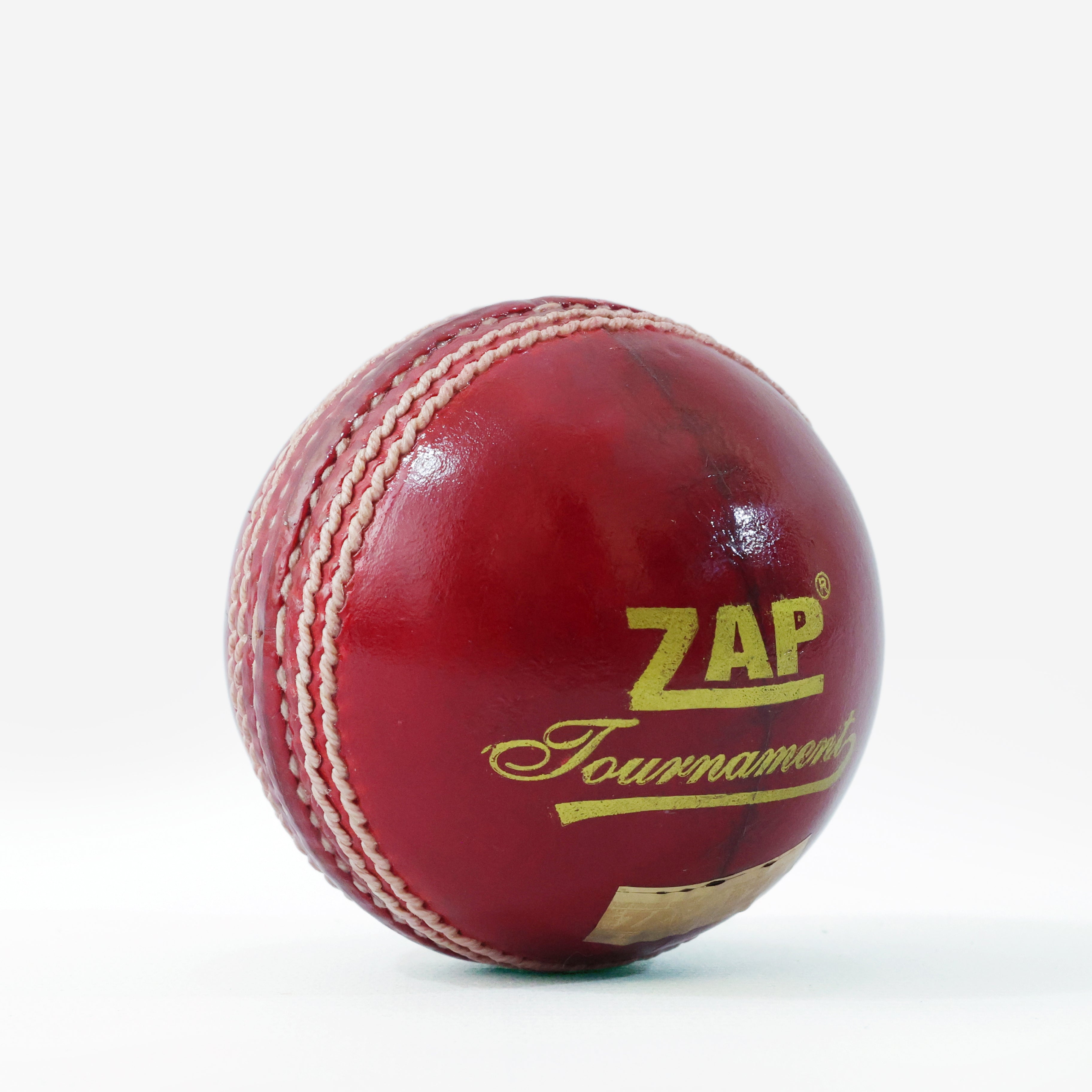
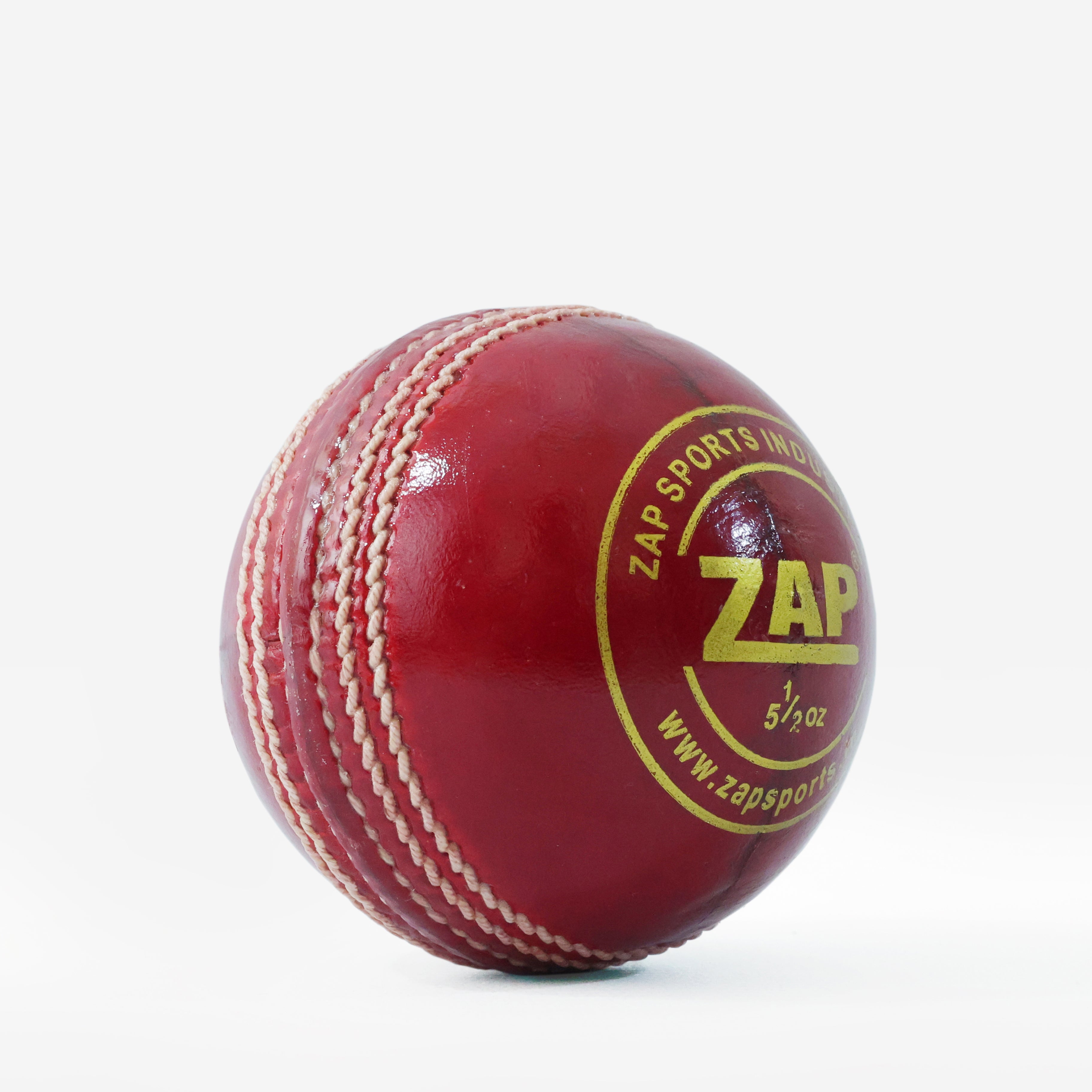
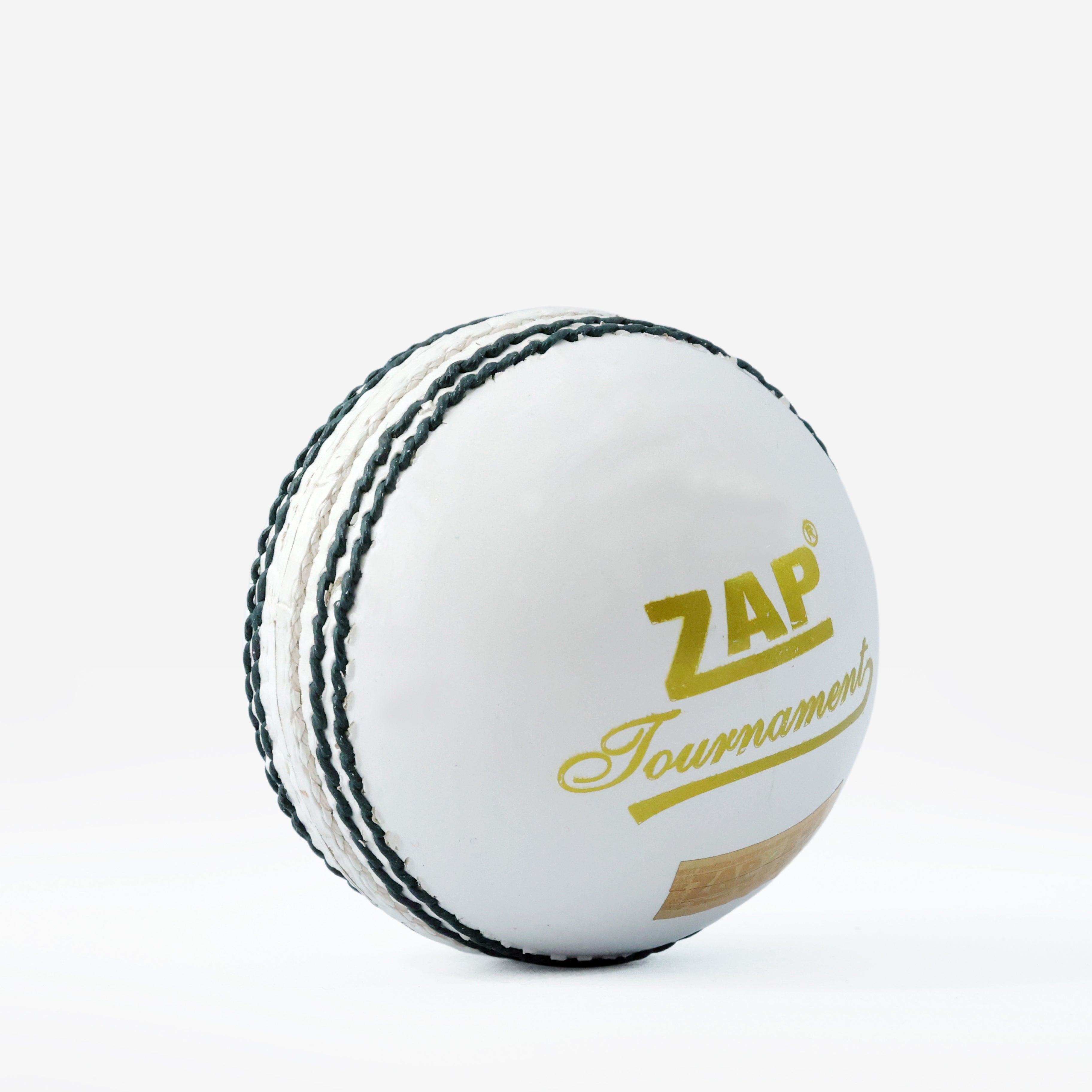
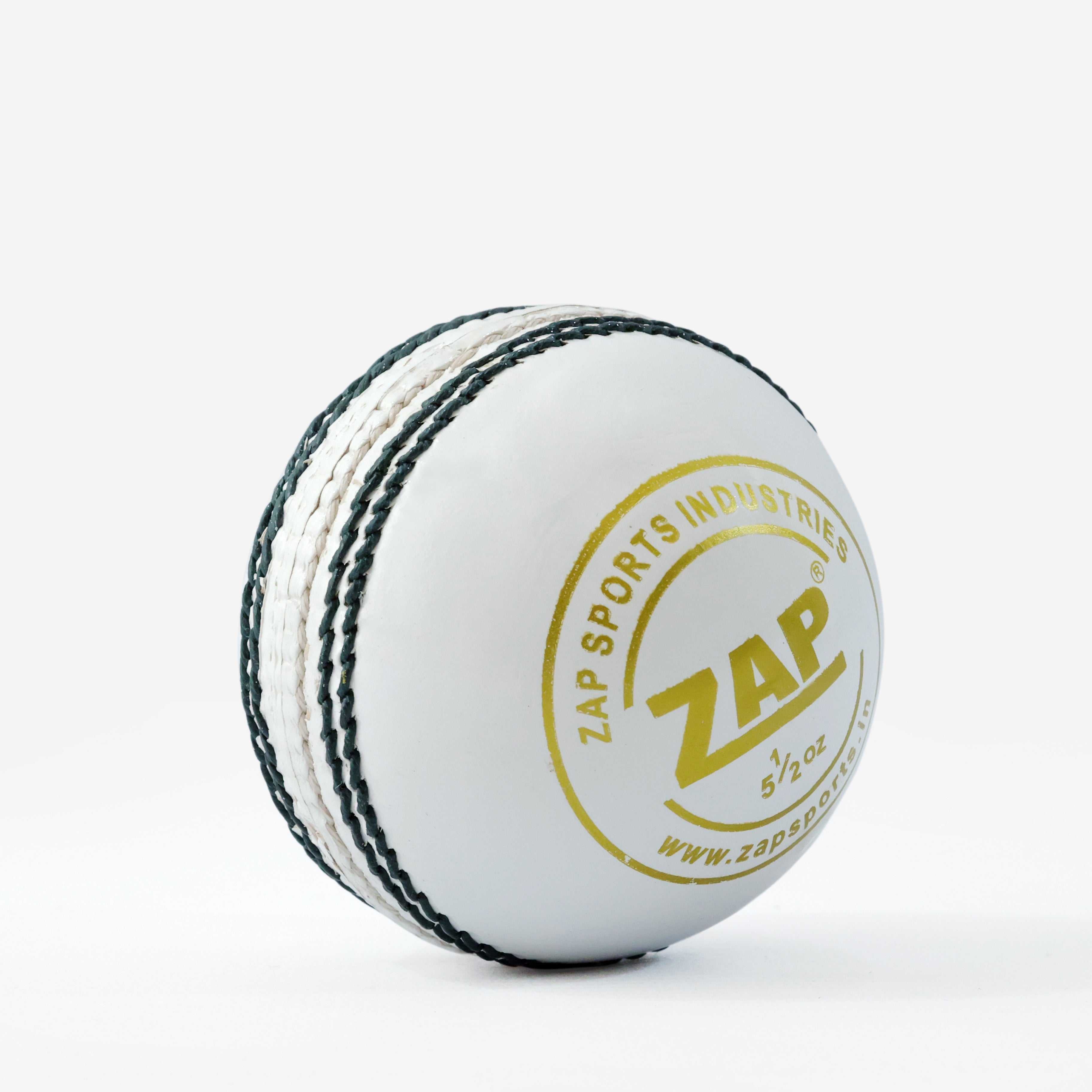
ZAP Tournament Cricket Leather Ball
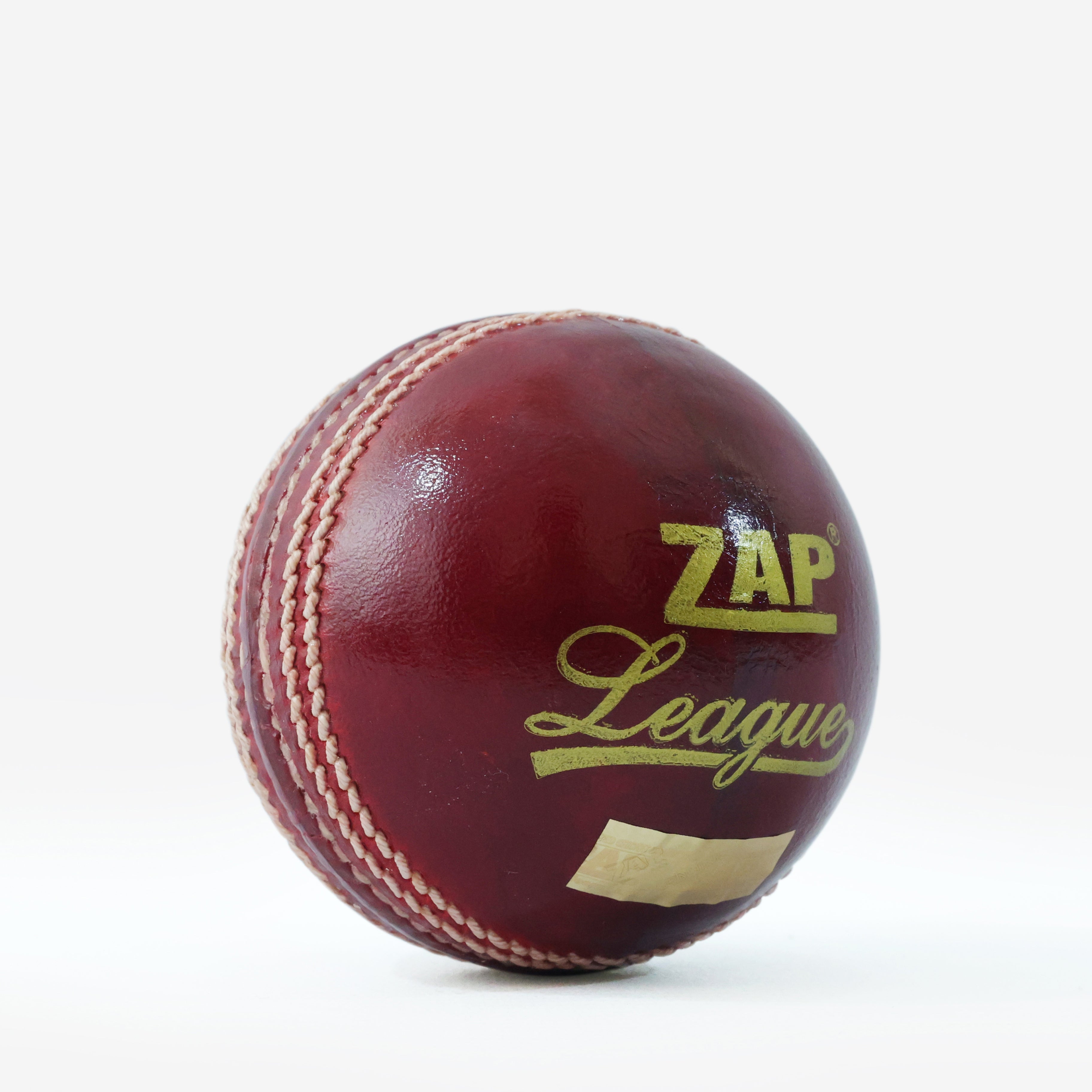
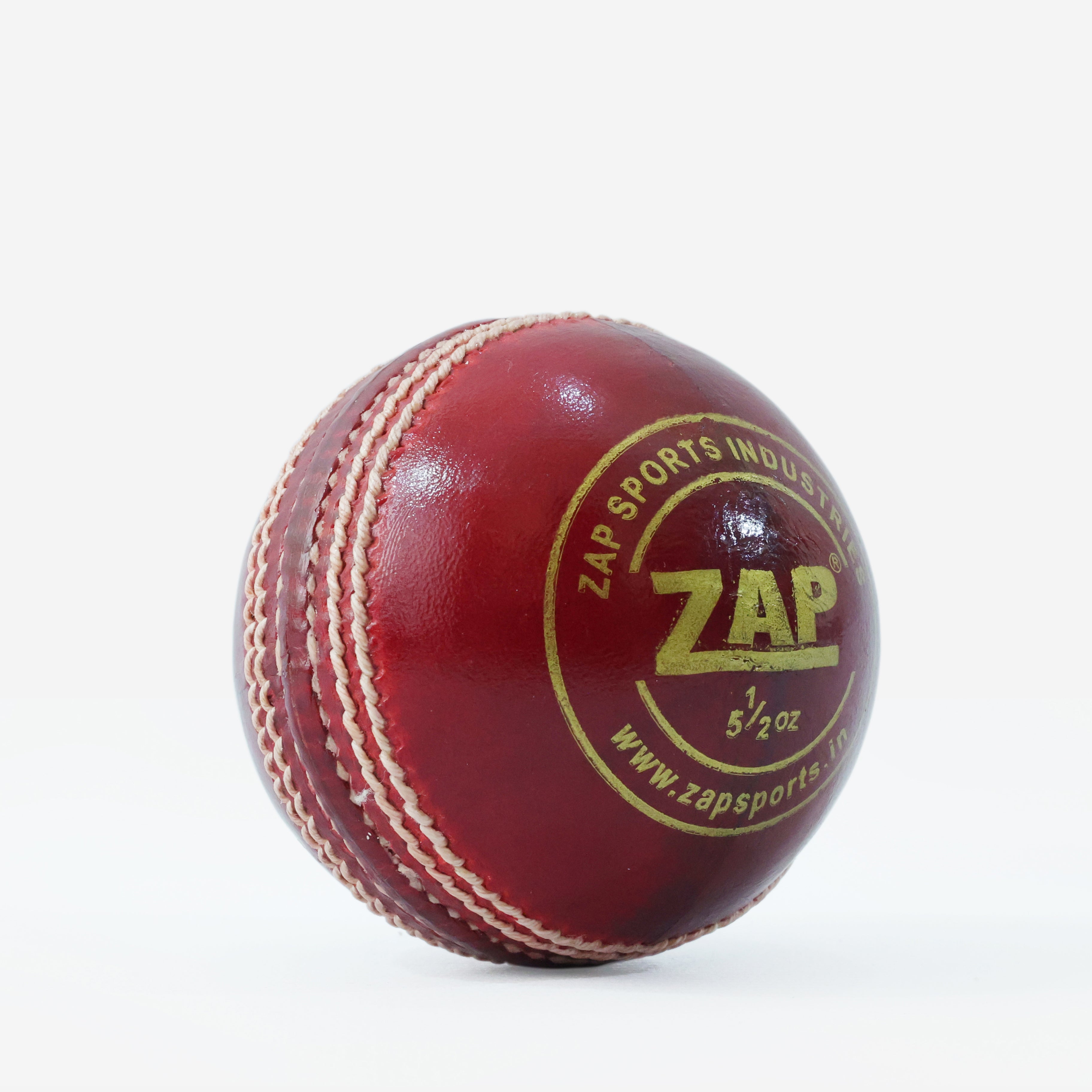
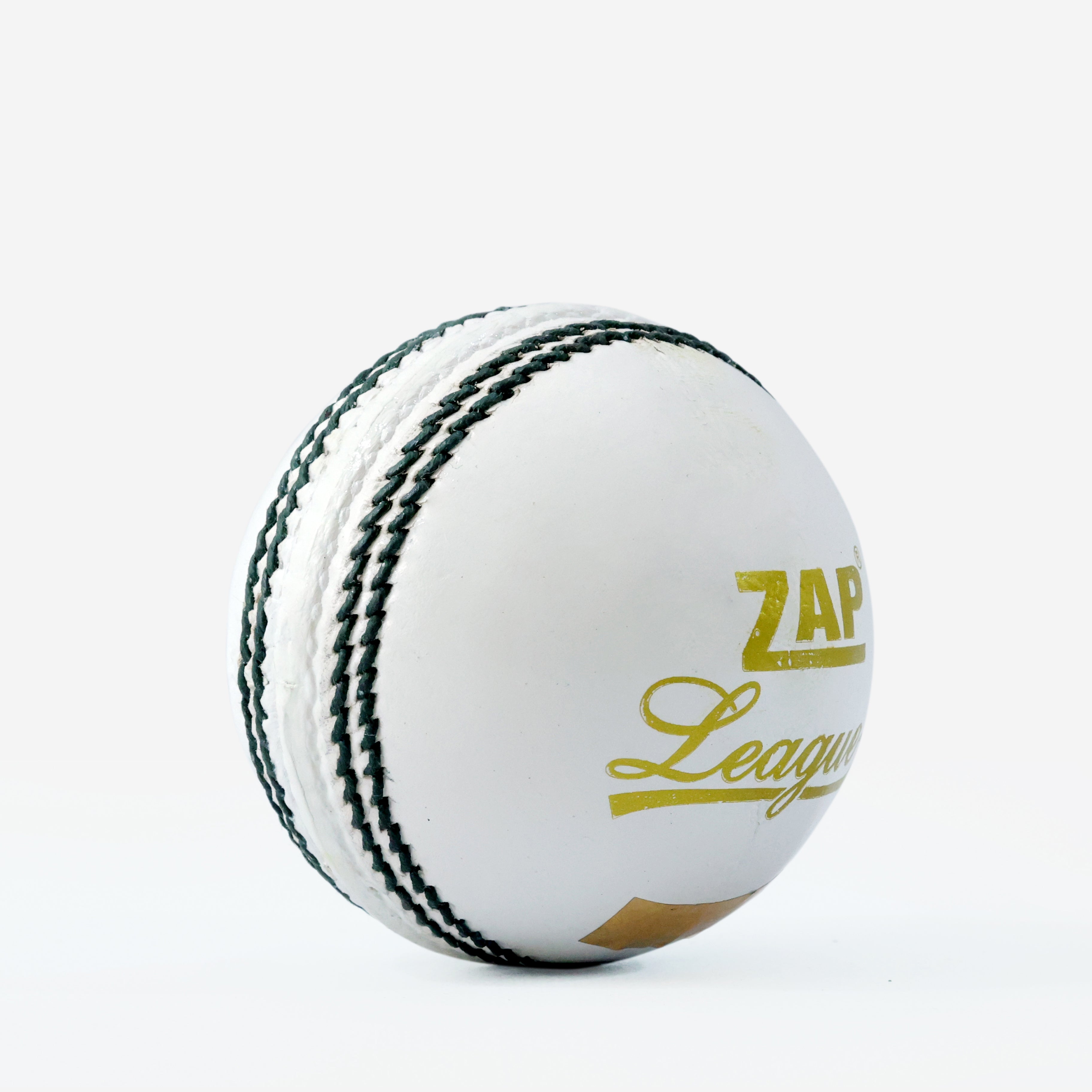
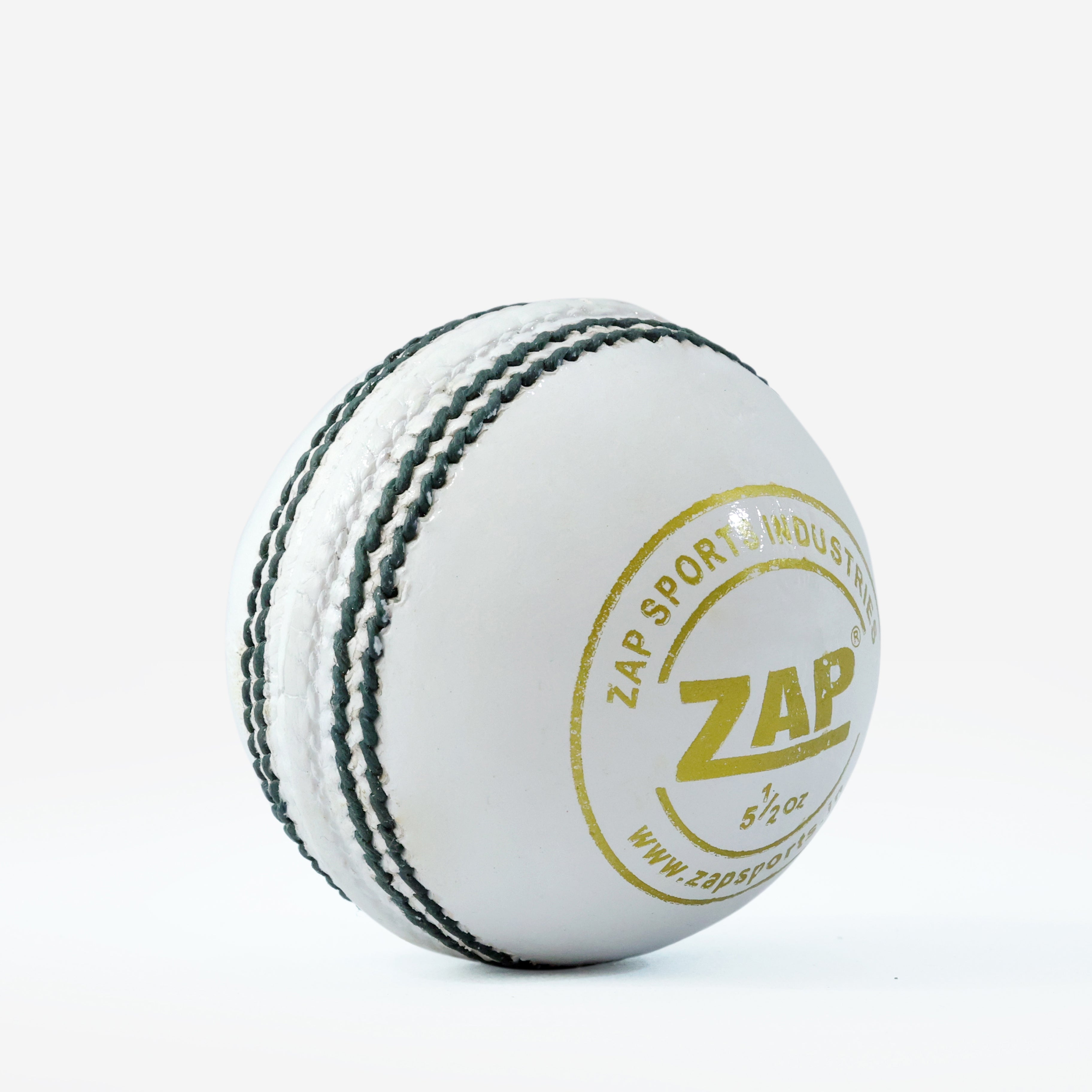
ZAP League Cricket Leather Ball
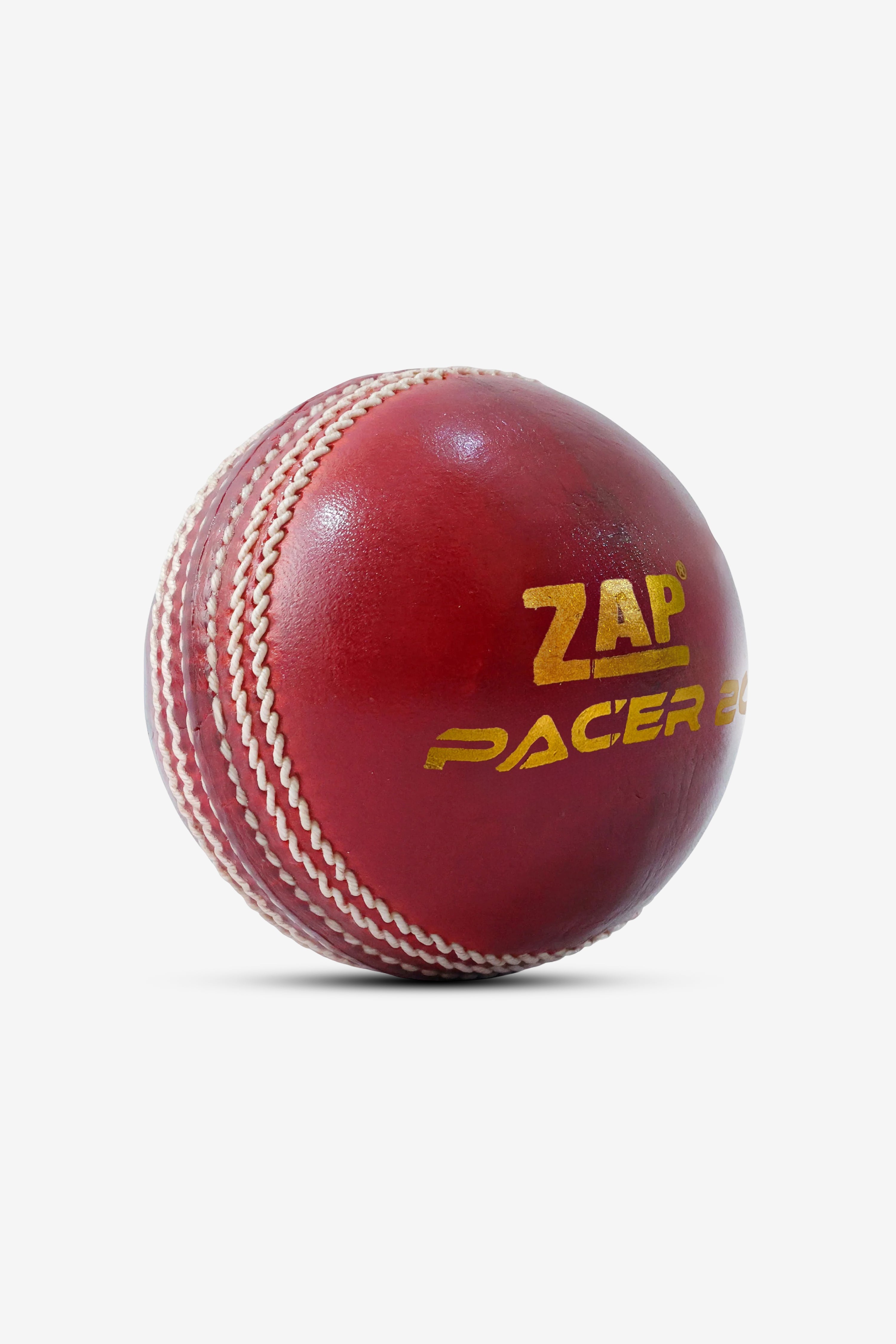
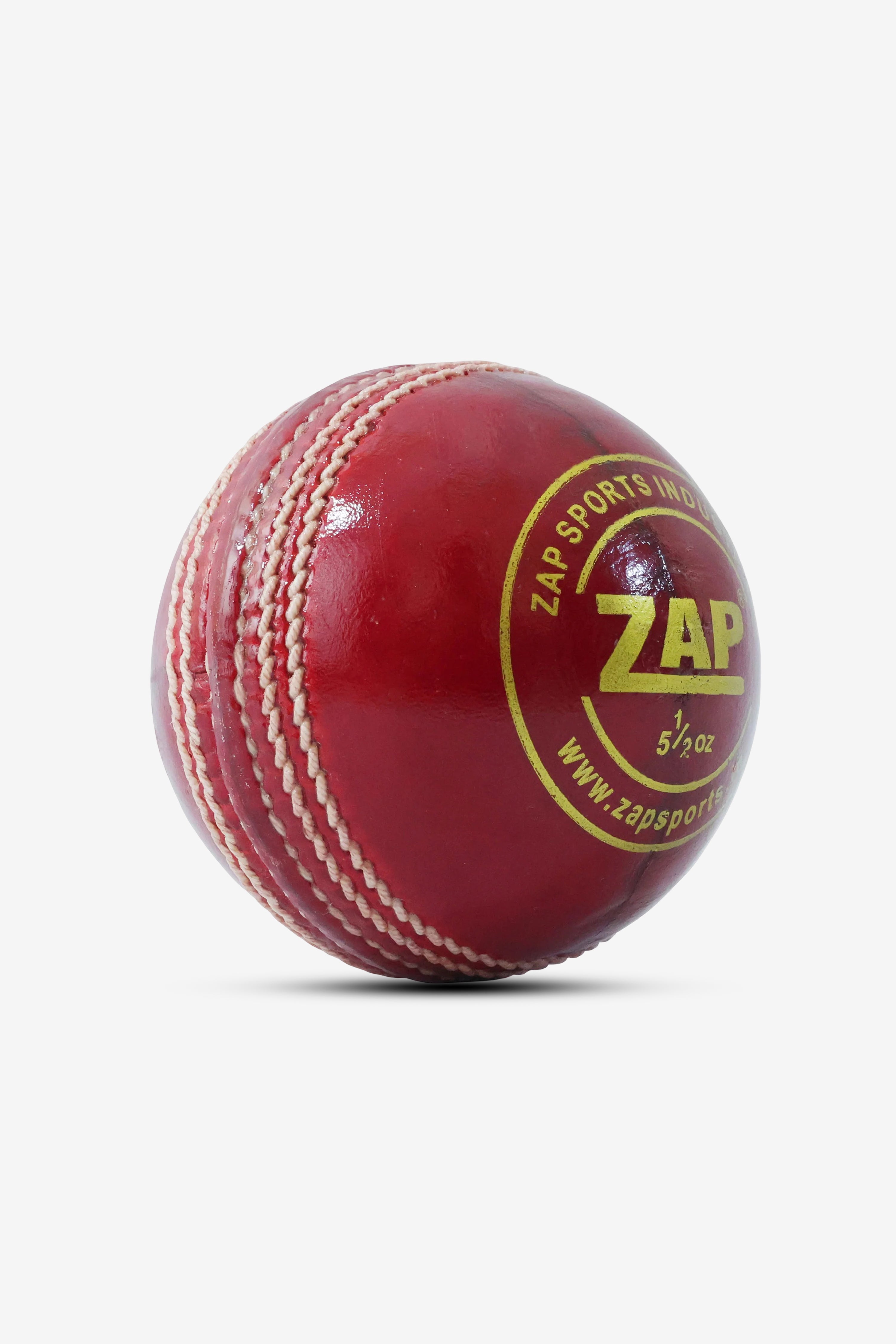
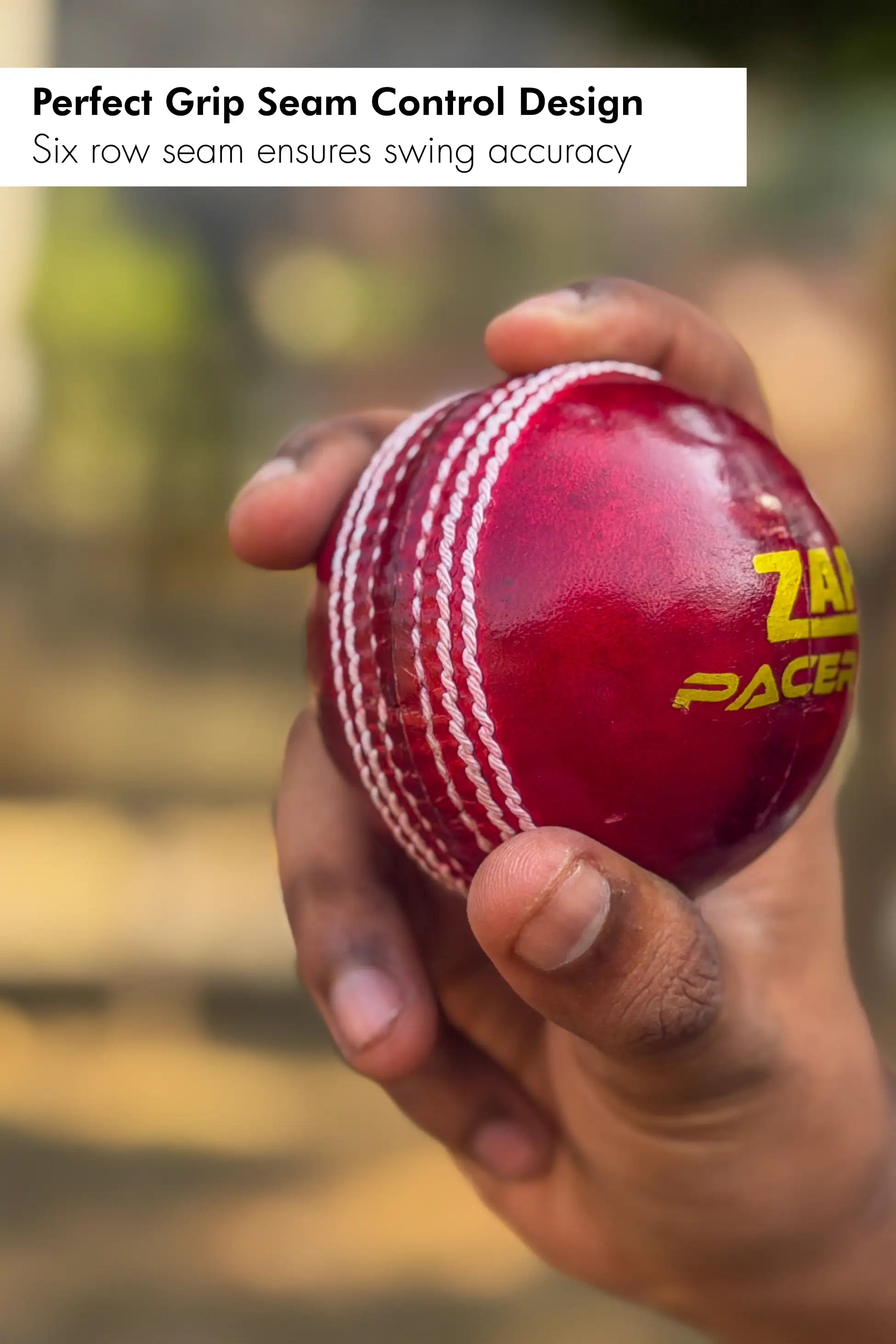
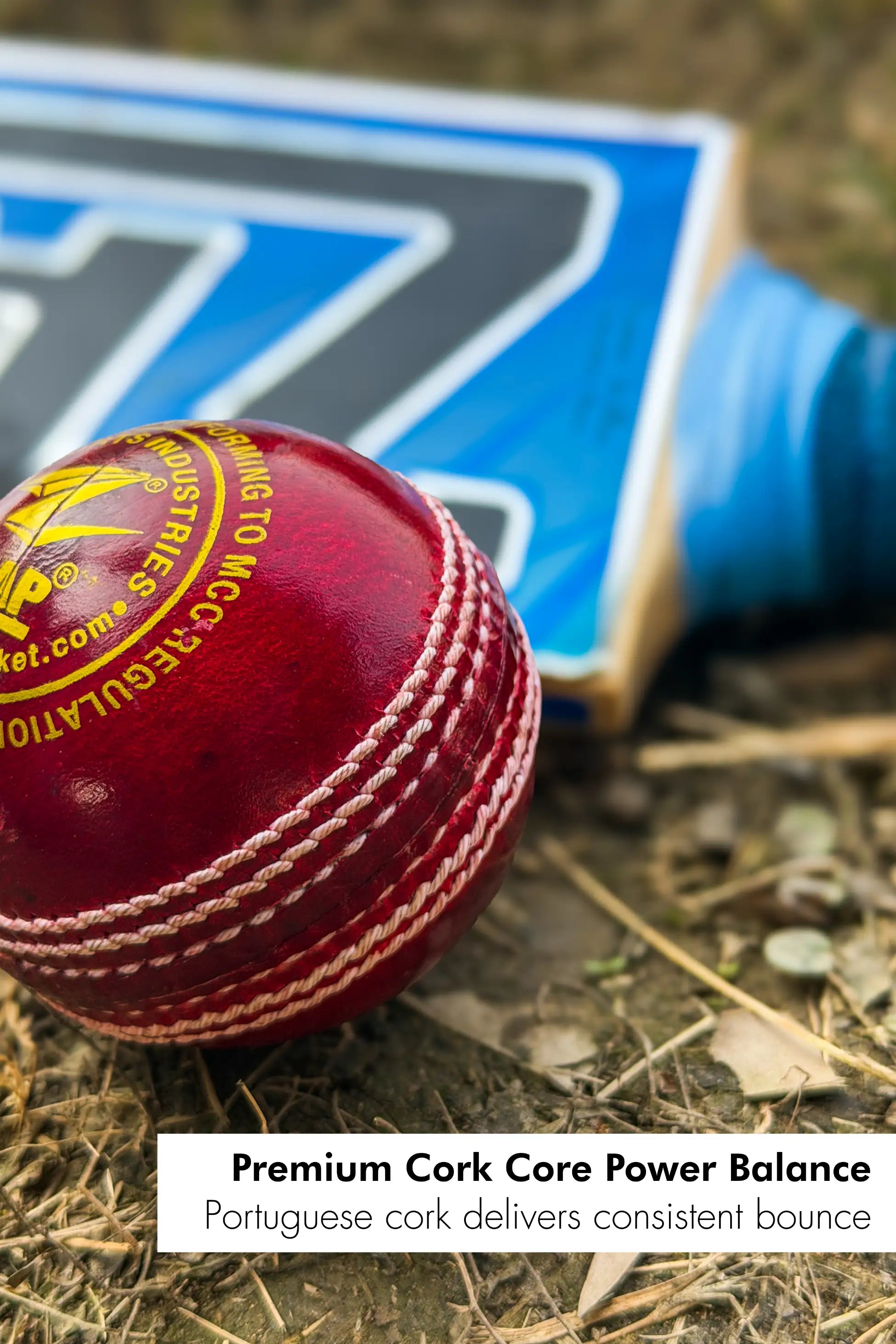
ZAP Pacer 20 Cricket Leather Ball
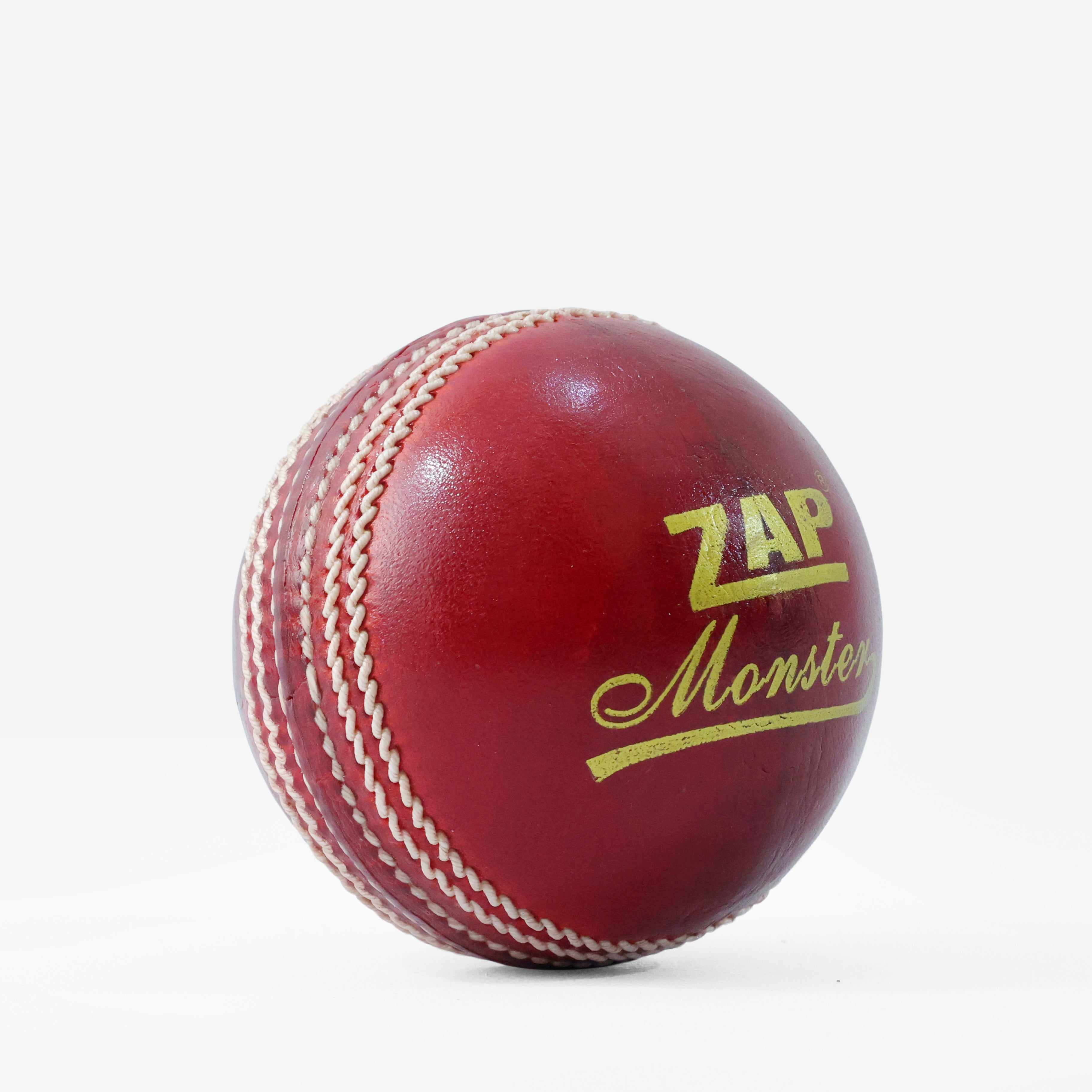
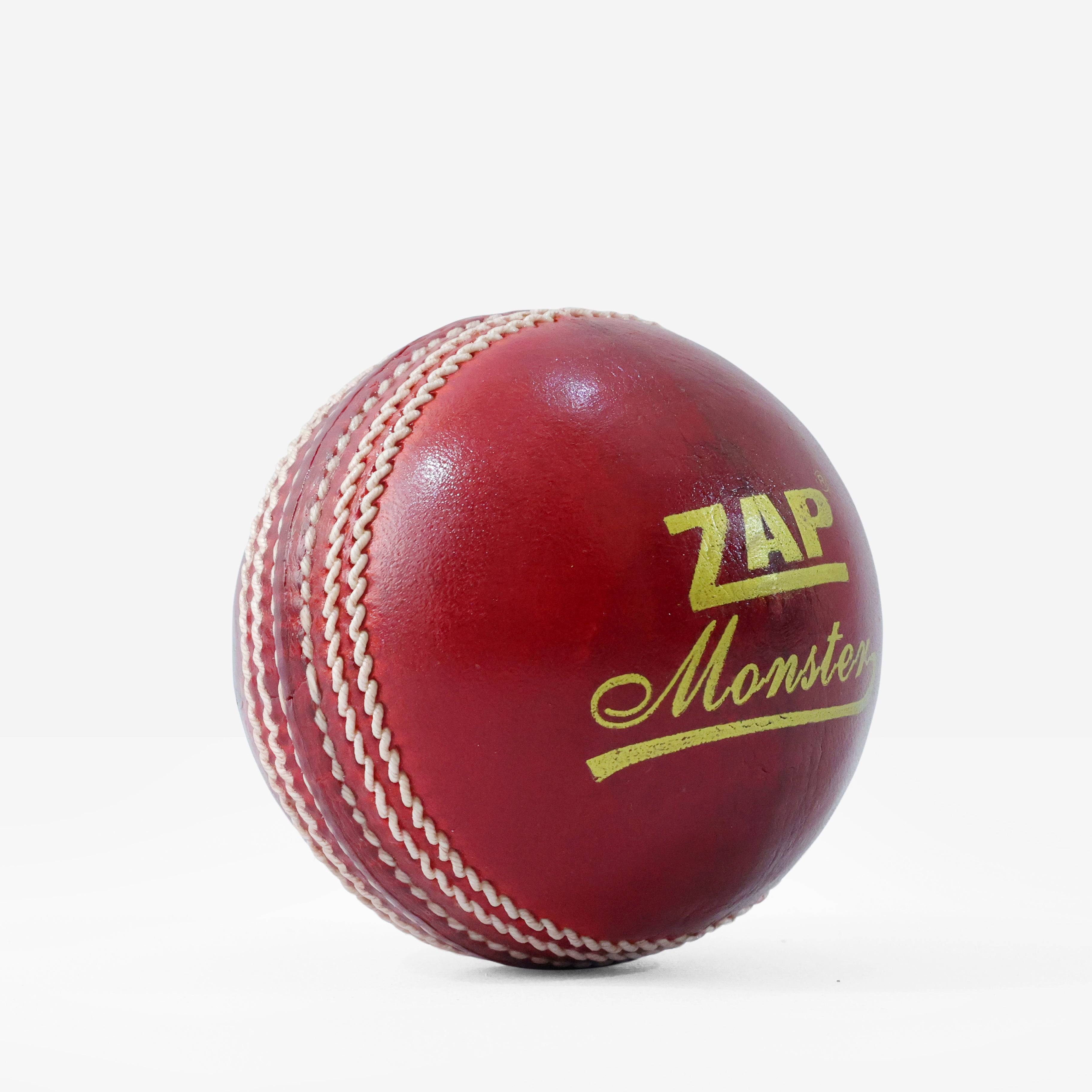
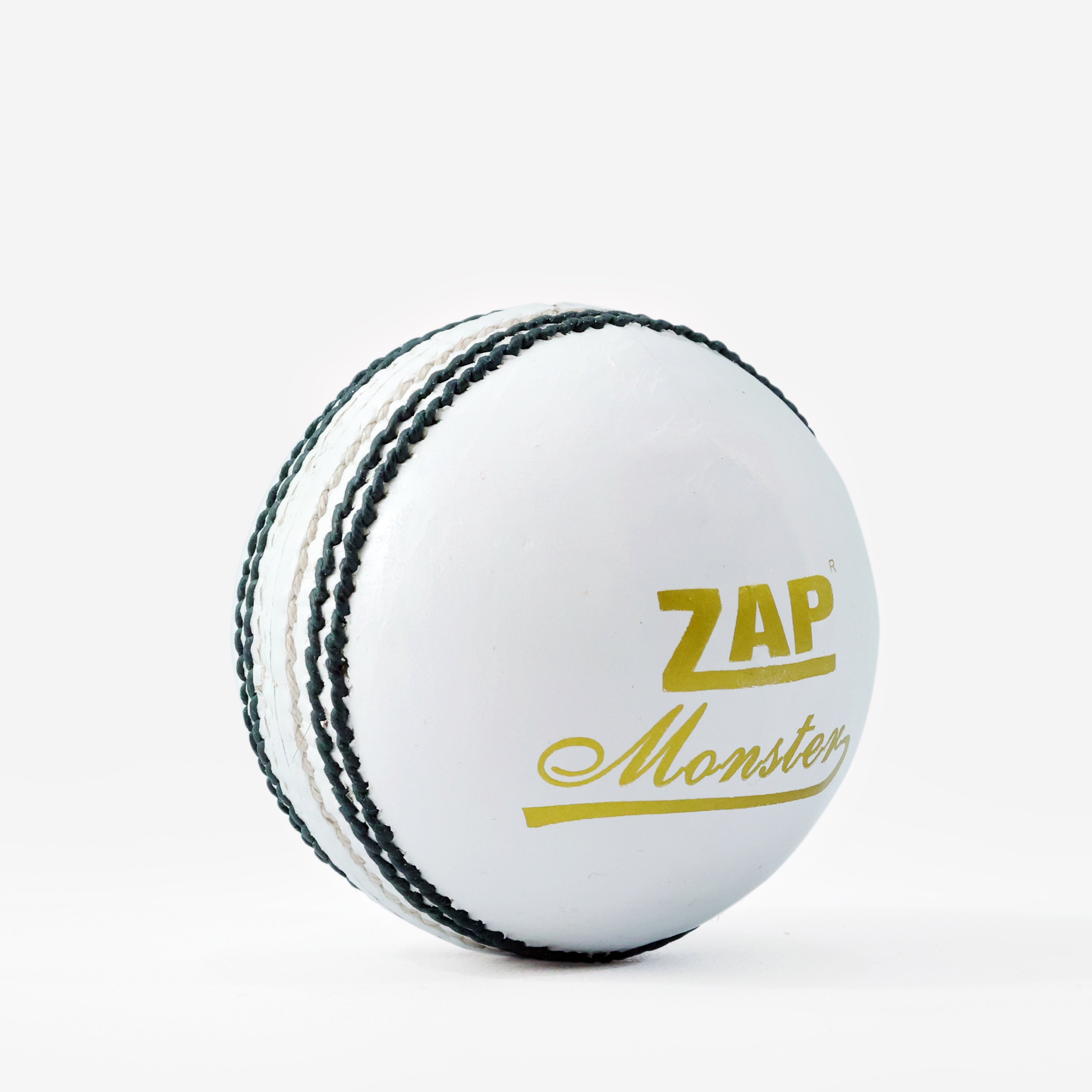
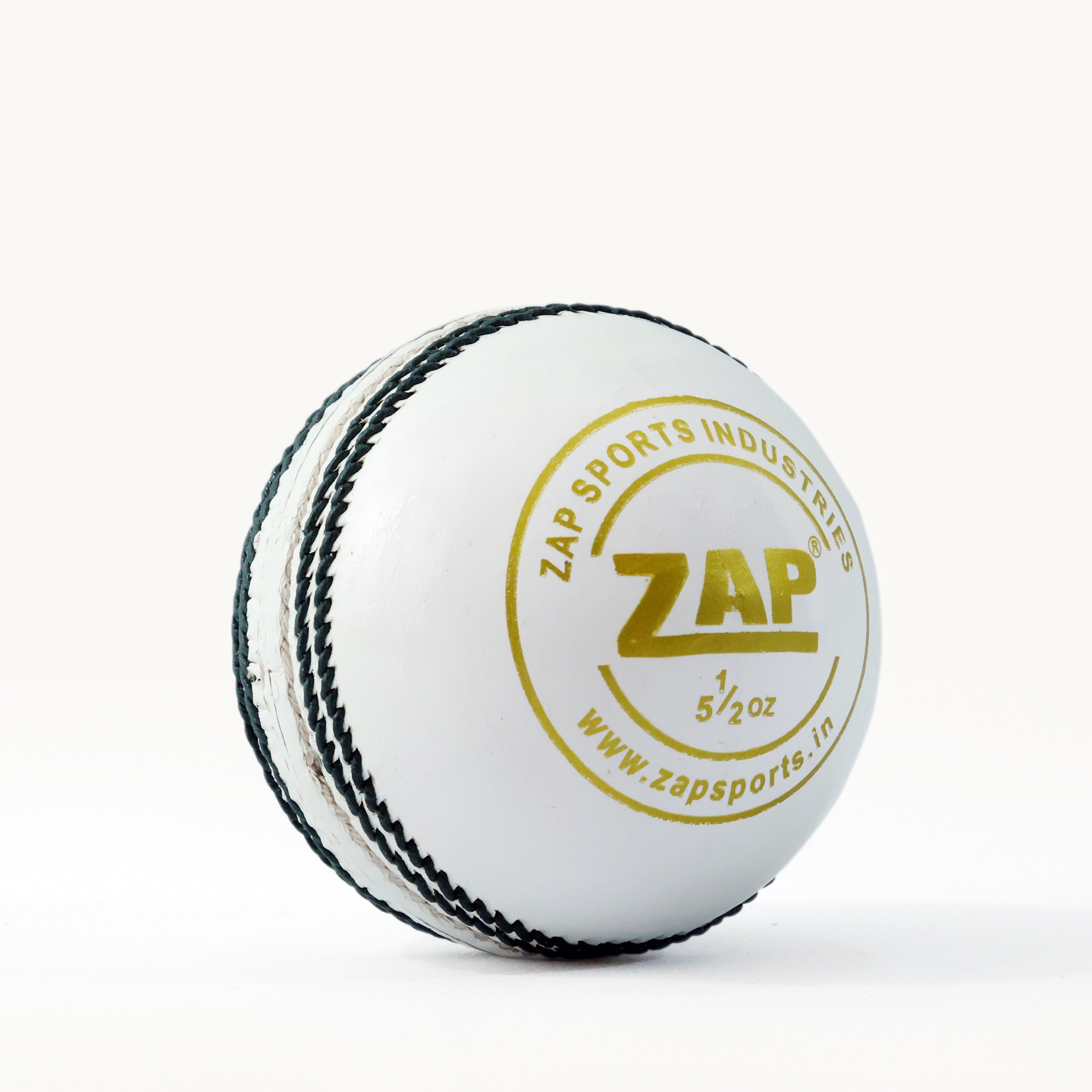
ZAP Monster Cricket Leather Ball
Cricket Leather Balls
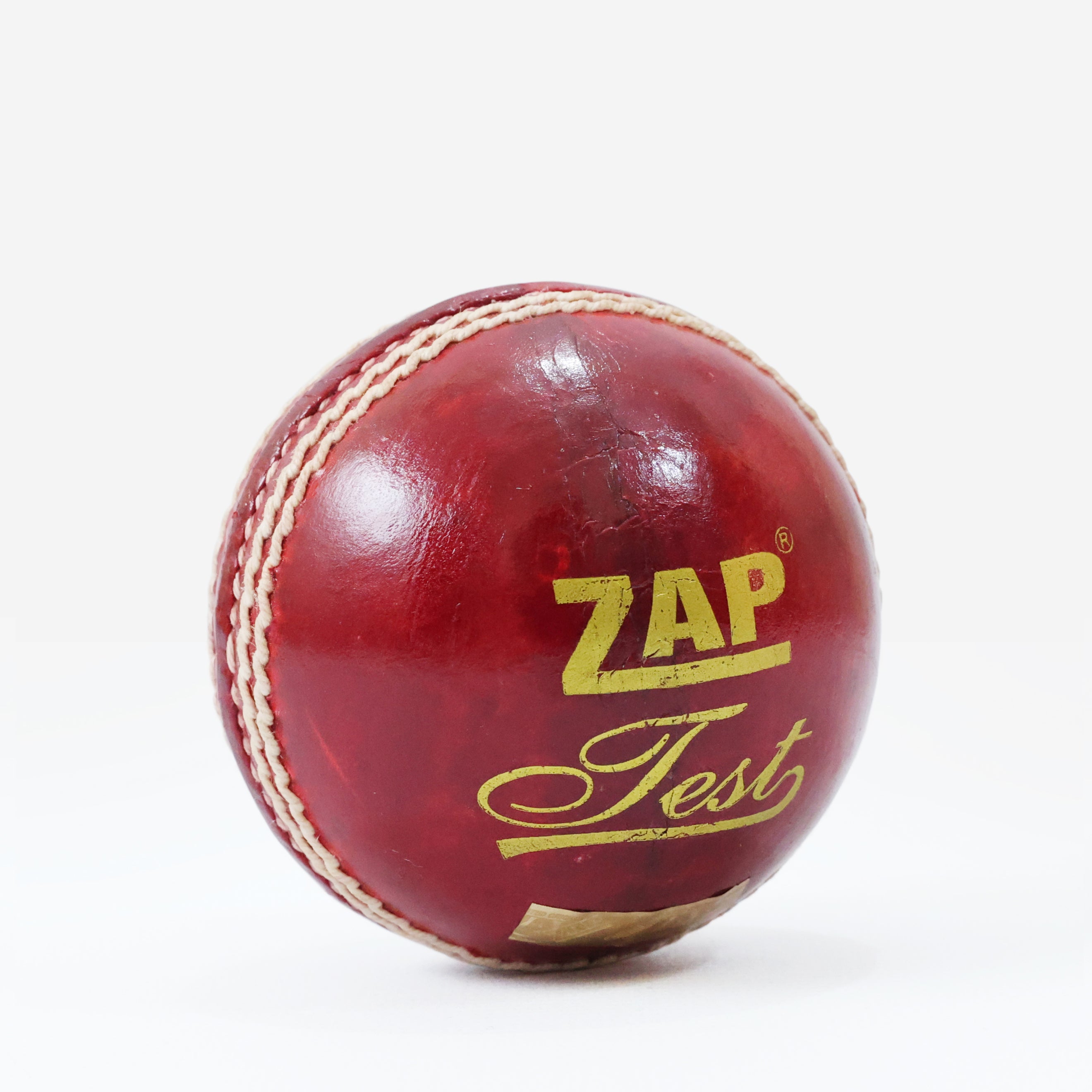
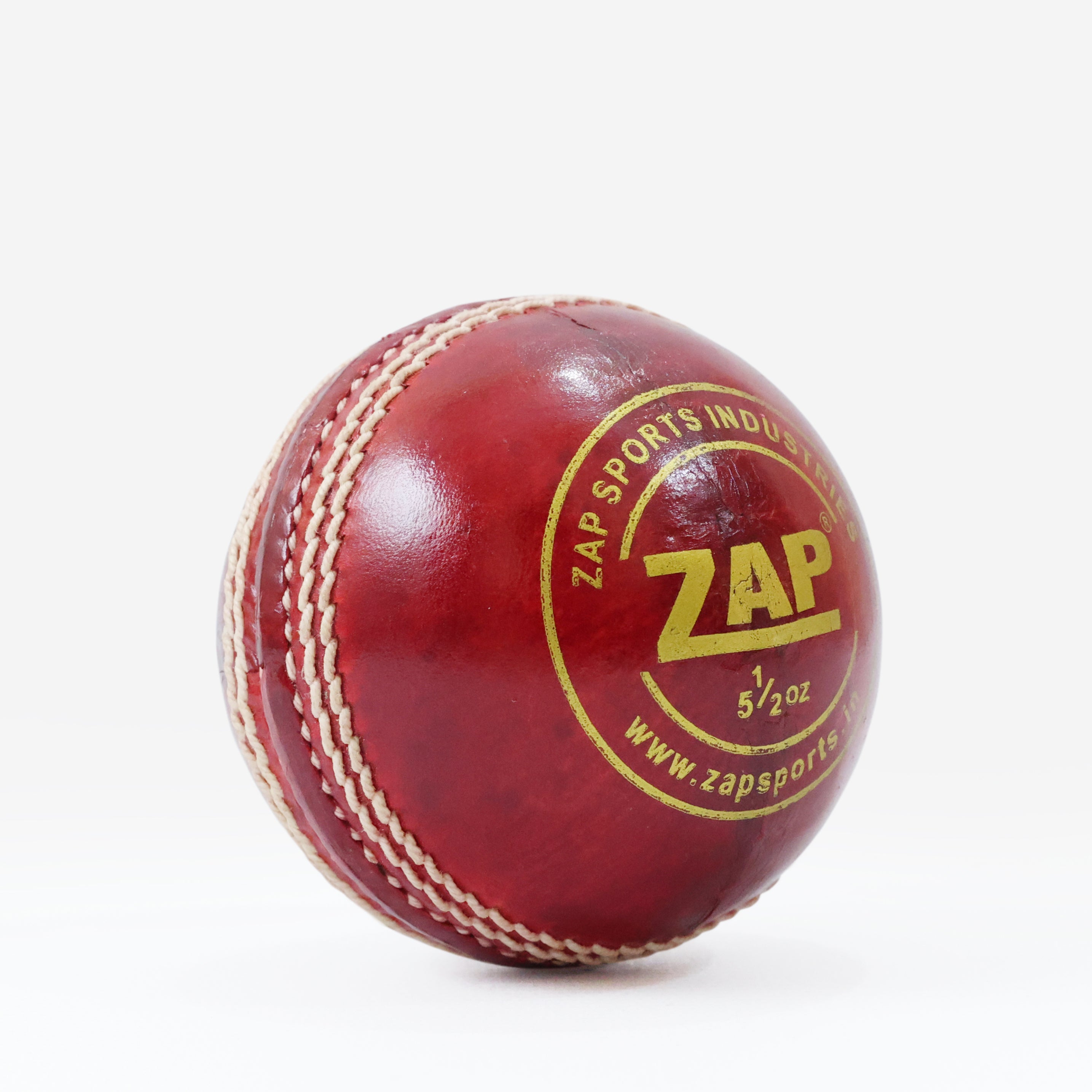
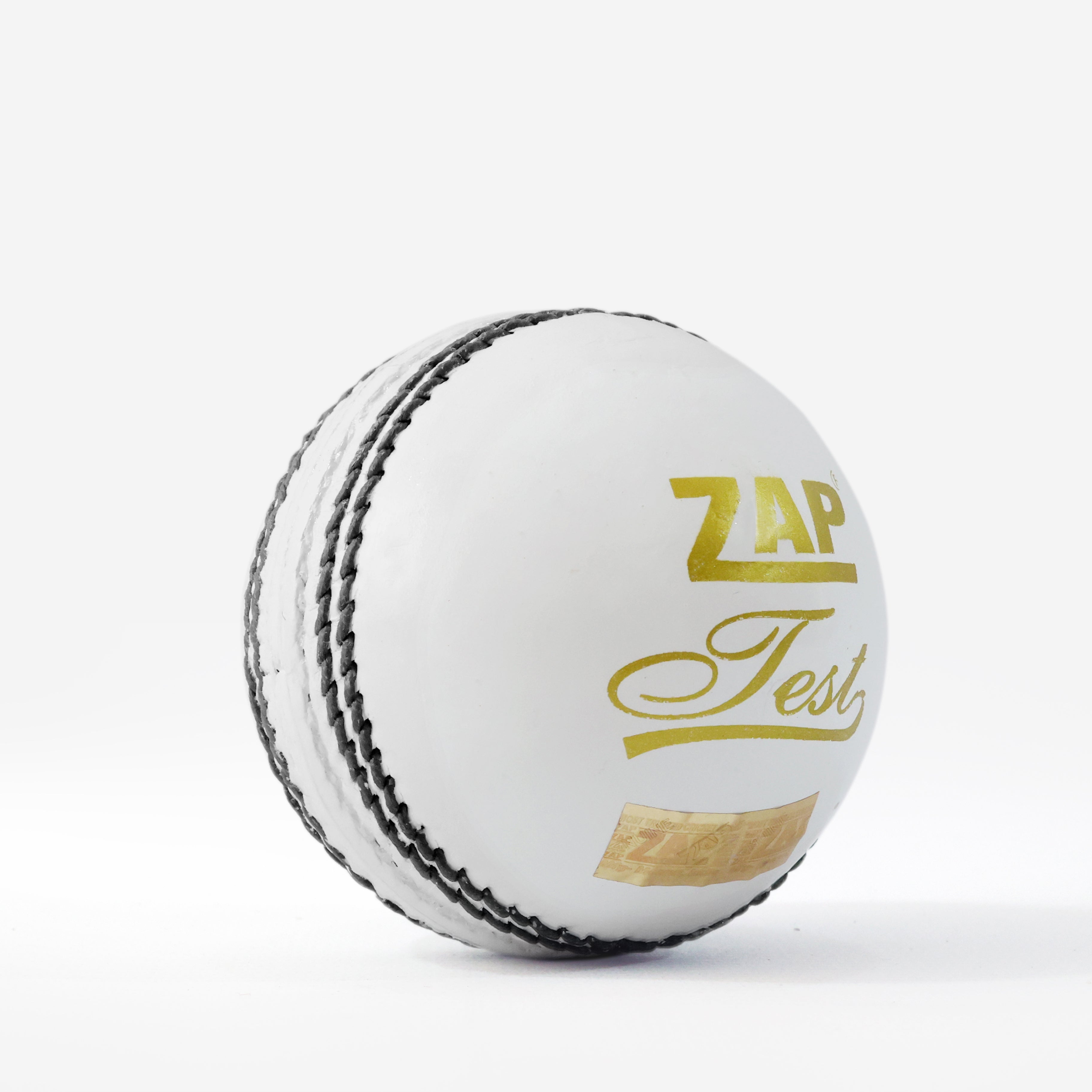
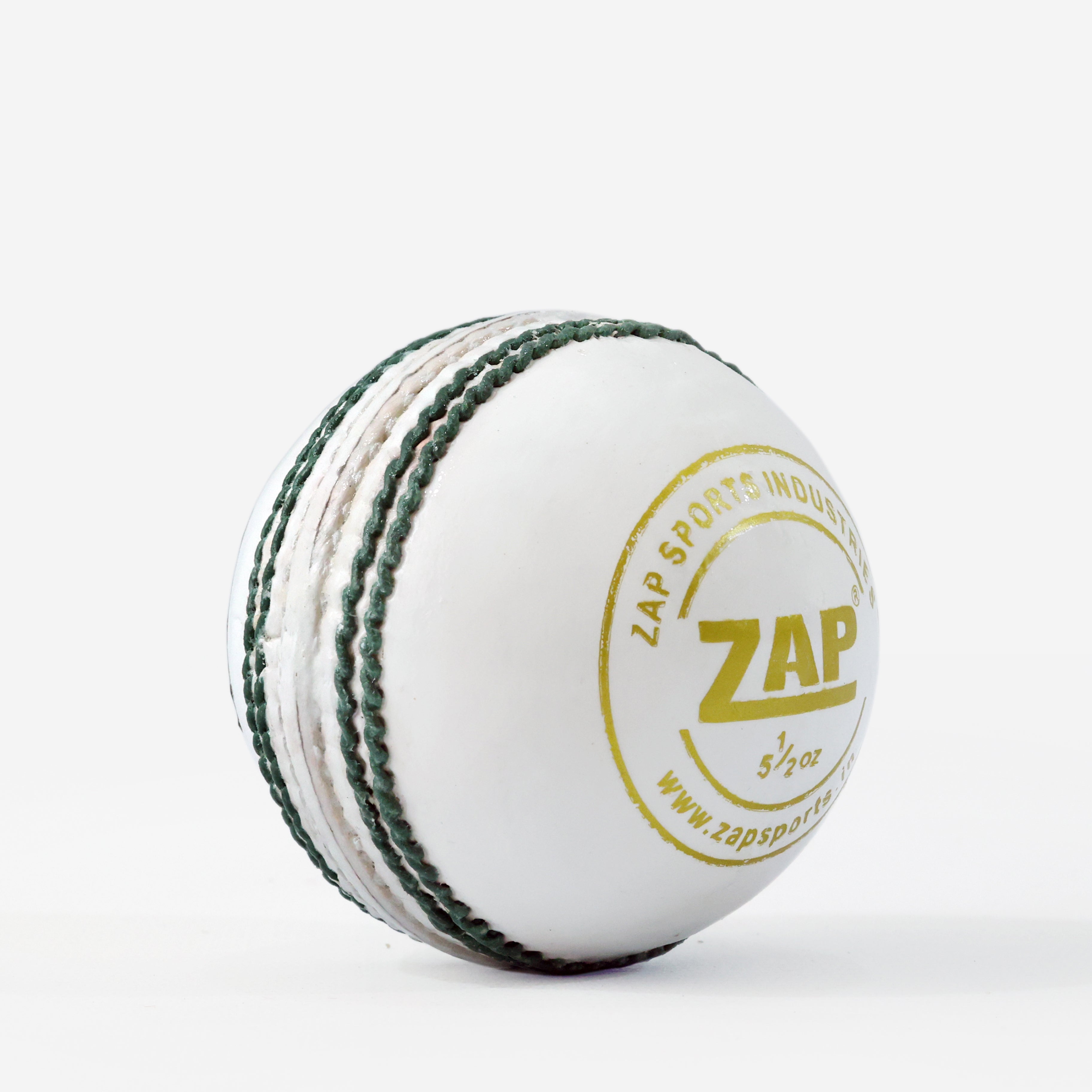
Professional players practice for hours and hours to improve their skills. From early mornings to late nights, they have their sessions planned, so that they can achieve excellence on the field. We at ZAP understand your determination and we want you to practice with top quality gears so that your sessions go as planned. We also know how poor quality leather balls can ruin your day and hence to overcome that, we have the best leather cricket balls for you. Our balls come in 3 colours: red for Tests and multi-day cricket, white for limited-overs game, pink multi day game.
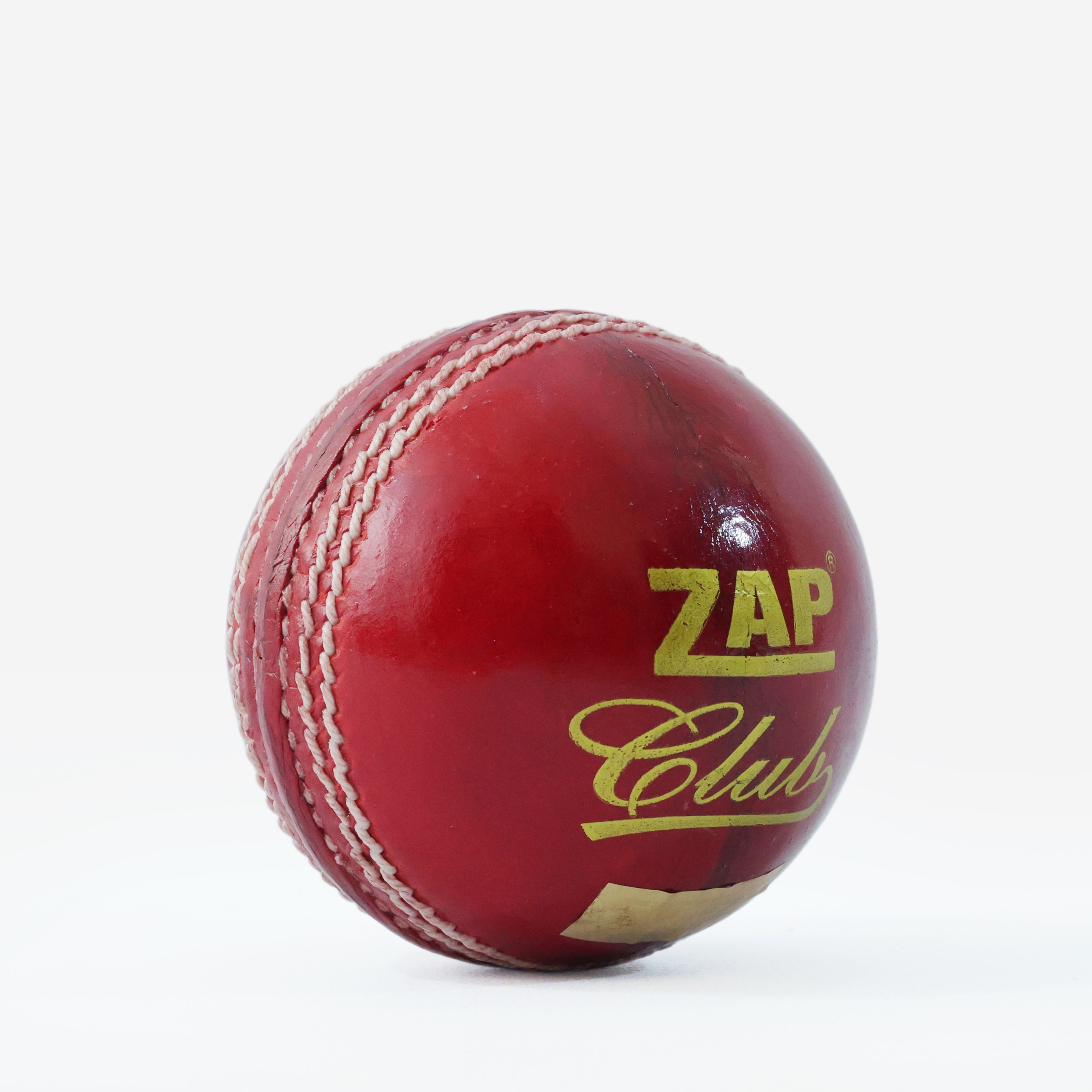
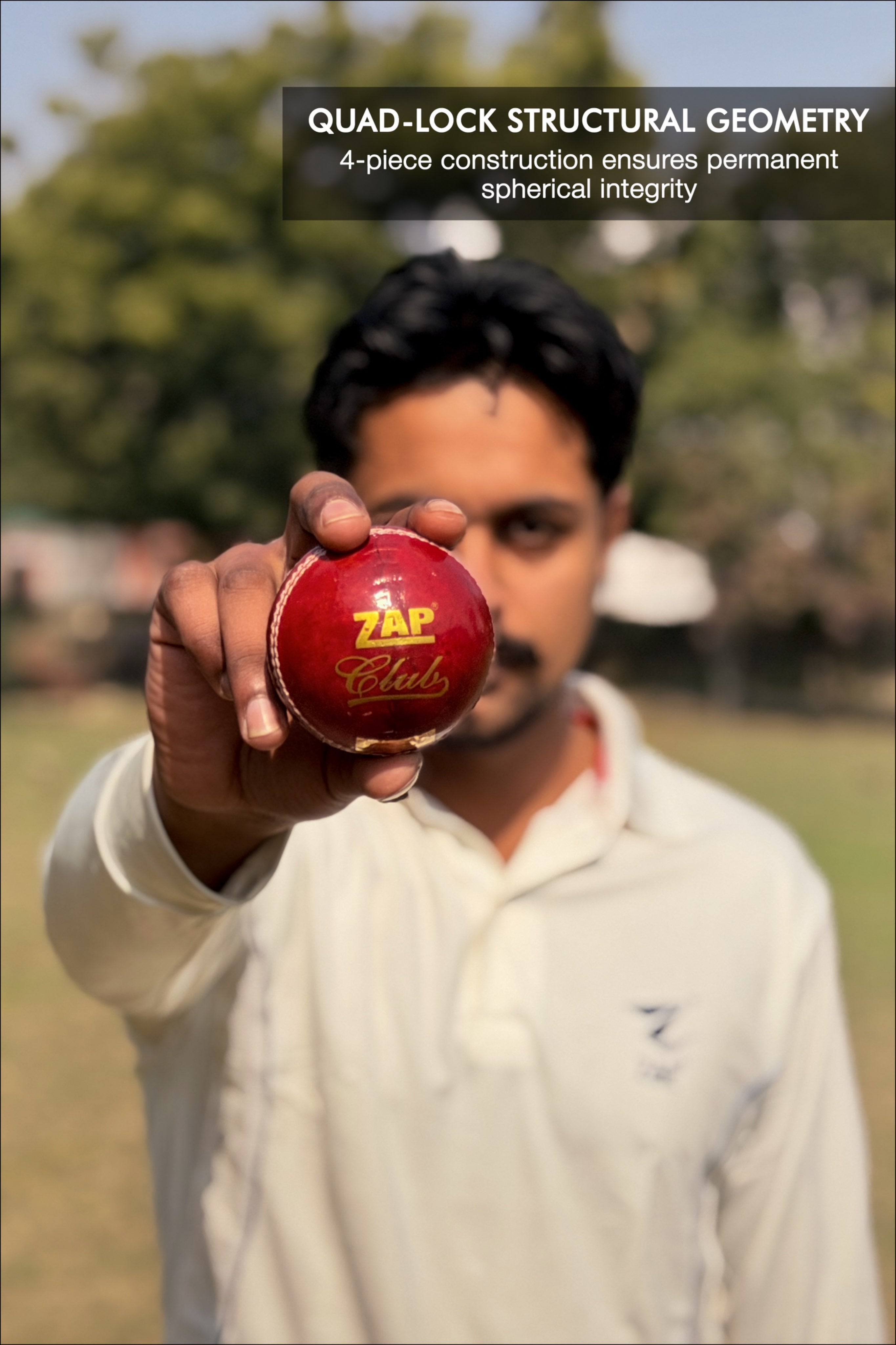
ZAP leather balls are 4-piece, hand-stitched, built on a Portuguese cork core and wrapped in alum-tanned leather. Every ball is approved by the Quality Council of India and conforms to the ICC Quality Standard for International Cricket.
How ZAP Leather Balls Are Made
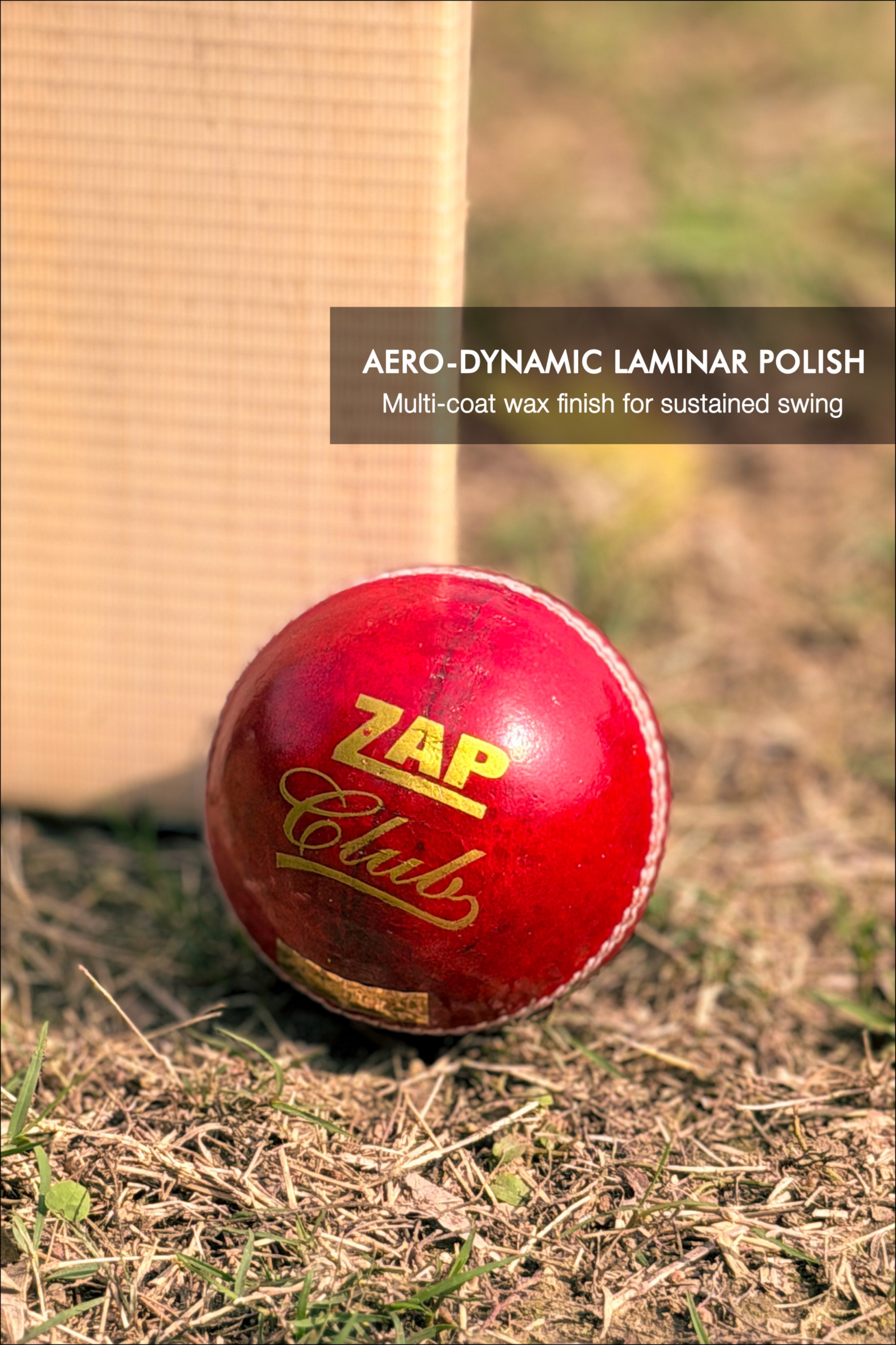
At ZAP, we offer balls in three colours: red, pink and white. Each one is manufactured using the best grade Portuguese cork that is transformed into a 4 piece leather ball. All parts of the leather are completely hand-stitched, that helps in retaining the shape and hardness longer. On top of that, our Alum-tanned leather is hardened finish that resists moisture and holds its shape through a full innings, even in damp conditions.
Red leather balls:
The red Cricket Balls are used for Tests and First Class matches. Since the beginning of this sport, players have been wearing white uniforms. The red colour provides the players and spectators with the absolute visibility when put against the white uniforms. Moreover, the red pigment shines well during the day and contrasts well with the green grass. ZAP takes extreme care in selecting the right colour and hardness of the balls so that there’s no lapse in concentration when you’re on the pitch.
ZAP Cricket Bats are the perfect partner in your cricket career and will take your game to the next level.
White Leather Balls:
The introduction of limited-overs formats (ODIs and T20s) presented a new obstacle. Under floodlights and against the coloured jerseys used in the shorter forms of the game, it was challenging to see the traditional red cricket ball. White cricket balls were introduced to solve this problem. The white colour on the ball made it easier for players and spectators to spot amidst the colourful nature of jerseys and advertising at night times. On top of this, these balls make it easier for the 3D motion sensor technology to track the ball’s motion and movement under floodlights.
Pink Cricket Balls:
A new problem arose in the cricketing world with the onset of Day-Night Test Matches. The format would be such that half a day of the test match was played during the day under the sun and half under the floodlights. The white ones could be an option but they were trademarked for limited overs matches and not test matches. Various colours were tested that would suit the conditions perfectly, from which pink leather balls rose on top. Pink leather balls undergo special pigmentation that enhances visibility under floodlights and provides a better visual for both players and spectators. The ICC recently approved the usage of the Pink Ball in day and night Test matches.
Red, White, and Pink balls all have the same shape and size. Once the leather strikes the ground, the seam that runs around its perimeter causes it to bounce away from and toward the batsman. To fit your needs, pick from a range of pack sizes, and take advantage of the extra convenience of prompt, dependable shipment.
Find your perfect cricket leather ball at ZAP and experience top-notch performance and durability.
Checkout Cricket Tennis Balls and pair them with your leather ball to have the ultimate bowling kit.
FAQs
Q: What is the weight of a cricket leather ball?
A men's cricket ball weighs between 155.9g and 163g, with a circumference of 224mm to 229mm. This is set by the Laws of Cricket and applies to all senior men's matches. Women's balls weigh 140g to 151g, and junior balls used in age-group cricket weigh 133g to 144g. Every ZAP leather ball is weighed individually before it leaves the factory to confirm it falls inside the regulation range.
Q: What is a 4-piece leather ball, and how is it different from a 2-piece?
A 4-piece ball is built from four separate panels of leather stitched together around the cork core, with the seam running through the middle. A 2-piece ball uses two panels, joined by a single seam.
Four pieces hold their shape far longer. The construction distributes impact across more seams and more leather, which means the ball stays round and the seam stays proud for more overs. Two-piece balls are cheaper to make, but they go soft and lose their seam faster. Every ZAP leather ball is 4-piece, hand-stitched.
If you play any form of serious leather ball cricket, buy a 4-piece. The difference shows up by over 20%.
Q: What is the difference between red, white and pink cricket balls?
All three are made the same way. What changes is the dye and the finish, and each is built for a different format:
- Red: Test matches, First Class and multi-day cricket. Red shows up best against white clothing in daylight, and the leather is finished to swing conventionally as it wears.
- White: ODIs, T20s and all limited-overs cricket played in coloured clothing. White is visible under floodlights and against dark sightscreens, but it scuffs and discolours faster than red.
- Pink: Day-night Test cricket. Pink was introduced because red disappears under floodlights and white is invisible against white clothing. Pink is the compromise: visible in both daylight and under lights.
ZAP makes all three in the same 4-piece, hand-stitched, alum-tanned construction.
Q: How many overs does a leather ball last?
In professional Test cricket, a new ball can be taken after 80 overs that is the benchmark a match-grade ball is built to survive.
For club and academy cricket, a good 4-piece leather ball should give you 20 overs before the seam flattens and the shine is gone. How long it actually lasts depends on the surface you play on. Hard, abrasive tracks and concrete-edged nets wear a ball far faster than good turf.
ZAP Monster Ball is rated for approximately 80 overs of match play.
Q: Which cricket ball should I buy for club cricket?
For competitive club and league matches, use our Test Leather ball match-grade red 4-piece ball. For nets and practice, use a practice-grade ball i.e our Club model and keep your match balls for matches, this is the single easiest way to make your good balls last a full season.
Most club cricketers buy one or two match balls per season and a set of practice balls to train with Tournament or Test Leather ball
Q: What is the price of a cricket leather ball in India?
Cricket leather ball prices in India range from around INR 200 for a basic practice ball to over INR 2000 for a match-grade, hand-stitched, 4-piece ball.
The price is driven almost entirely by three things: the number of leather pieces, whether the stitching is done by hand or machine, and the grade of the cork core. A INR 200 ball is typically 2-piece, machine-stitched, with a compressed cork or rubber core it will go soft in a handful of overs.
ZAP leather balls range from INR 699 (Club Cricket) to INR 2649 (Monster Model). Every one is 4-piece, hand-stitched, built on a Portuguese cork core, and QCI approved.
Q: What does QCI approved mean for a cricket ball?
QCI is the Quality Council of India, the national body that certifies product quality standards. A QCI-approved cricket ball has been independently tested against defined standards for weight, circumference, hardness, seam integrity and construction.
Most cricket balls sold in India carry no independent certification at all. ZAP season balls are QCI approved and conform to the ICC Quality Standard for International Cricket. It means the ball in your hand has been measured against a standard, not just described as good.
Q:What is a cricket ball made of?
A cricket ball has three parts:
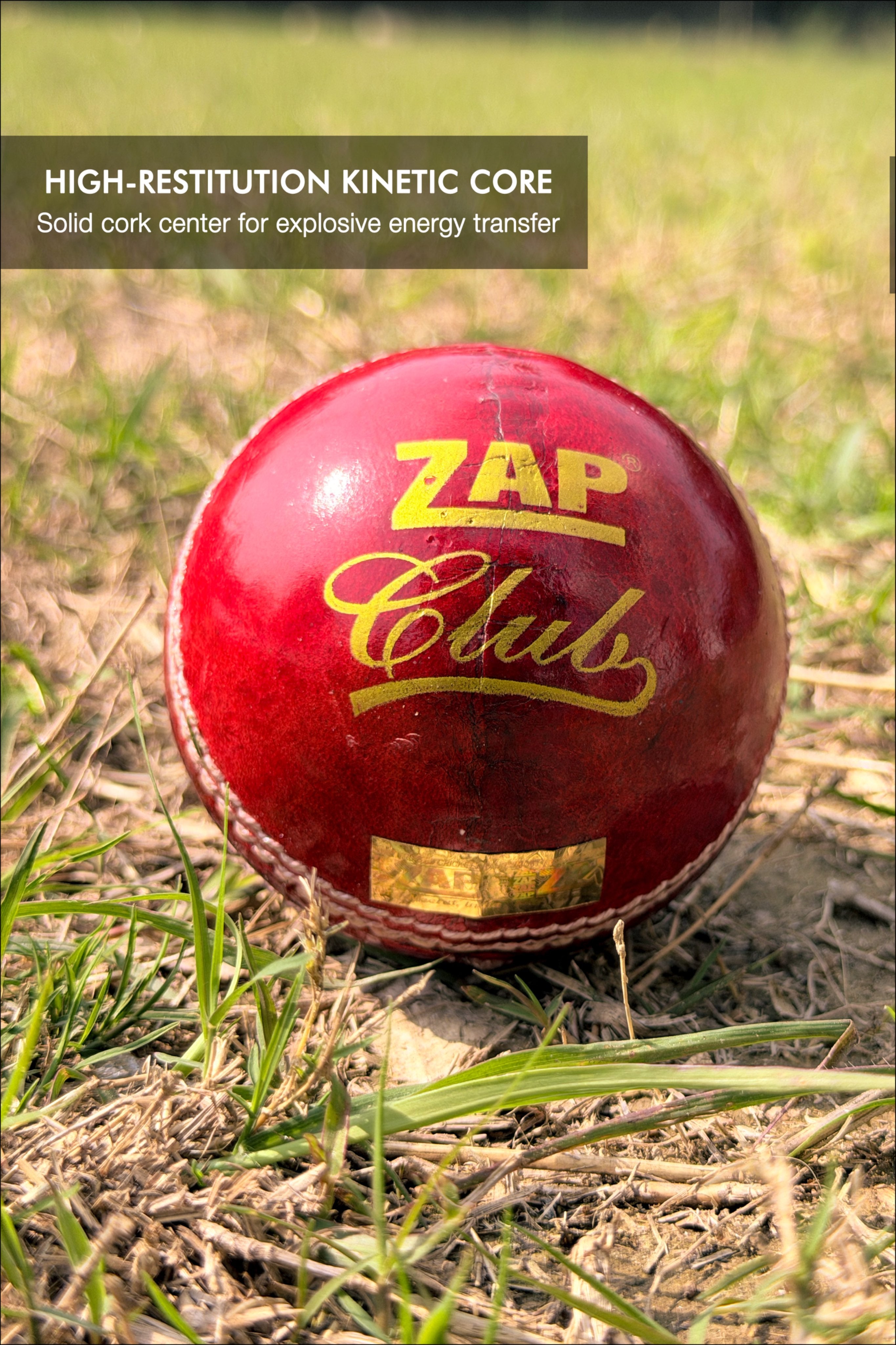
- The core cork, wound tightly with layers of string under tension. Cork quality determines how the ball retains hardness. ZAP uses Portuguese cork, which holds compression longer than the compressed-cork substitutes used in cheaper balls.
- The leather four panels of alum-tanned leather, dyed and finished. Alum tanning produces a firmer, more durable hide than chrome tanning.
- The seam the stitching that joins the panels. On a ZAP ball this is done by hand, which produces a more pronounced and more durable seam than machine stitching.
Q: Is a leather ball safe for beginners?
A leather ball is hard, heavy, and travels fast. It should never be used without protective equipment. At minimum: a helmet, batting pads, batting gloves, an abdominal guard, and thigh protection.
If you are new to leather ball cricket, get the protective gear before you get the ball. This is not a recommendation, it is a safety requirement.
Also check: cricket helmets
Q: Can I use a leather ball in nets on concrete?
You can, but it will destroy the ball. Concrete and abrasive artificial surfaces strip the shine and flatten the seam within a few overs. If your nets are on a hard surface, use a practice-grade ball and keep match balls for turf.
Q: How do I look after a leather ball?
Keep it dry, keep it clean, and store it away from direct heat.
If the ball gets wet, wipe it down and let it air dry naturally, never dry it near a radiator or in direct sun, which cracks the leather and dries out the cork. Wipe off mud and grass after every session. A light application of ball polish helps maintain the shine on one side, which is what generates conventional swing.
Q: Which ball do you use for a day-night match?
ZAP Tournament Pink Leather Ball. Red is unreadable under floodlights and white is invisible against white clothing, which is why pink was developed specifically for day-night Test cricket. If your league plays under lights in whites, pink is the ball.
Featured Collection
English Willow Bats | Kashmir Willow Series | Batting Gloves | Batting Pads